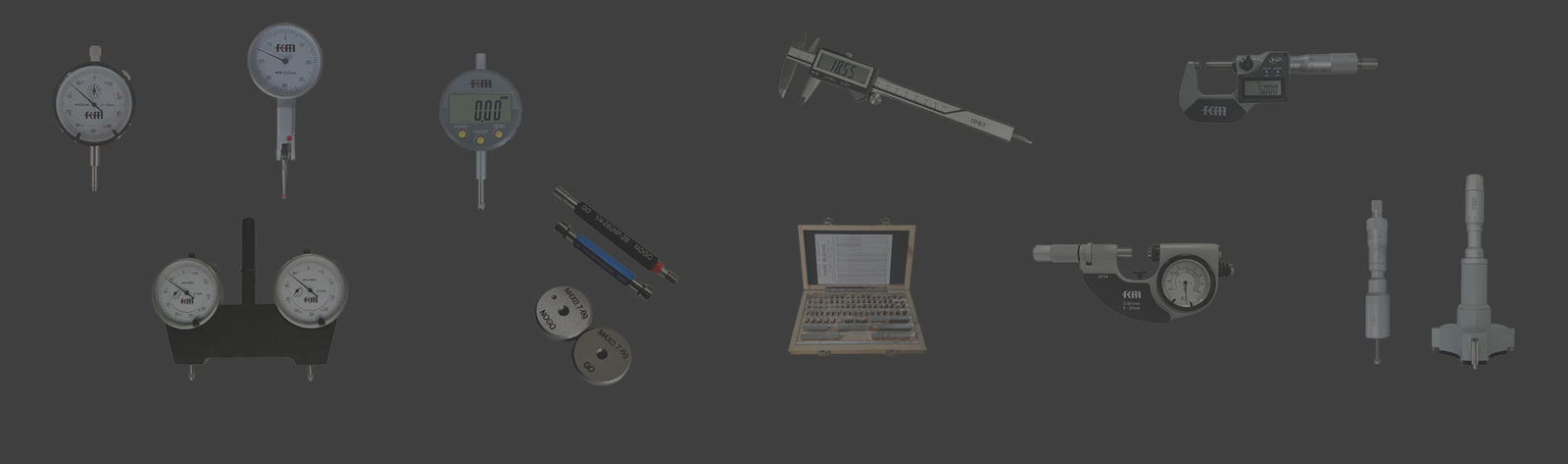
Wybór narzędzi pomiarowych jest podstawowym etapem w procesie mechanicznym i kontroli jakości.Wybór odpowiednich narzędzi pomiarowych nie tylko zwiększa wydajność wykrywania, ale także zmniejsza ryzyko błędnego osąduW przypadku gdy przedsiębiorstwa spotkają się z wieloma instrumentami pomiarowymi, takimi jak zaciski, mikrometry, wskaźniki tarczy, wskaźniki dźwigni, wysokościomierze, mierniki wtyczek i mierniki pierścieni,często mają problemy z nadmierną precyzjąW dalszej części, z punktu widzenia pozycjonowania zadań pomiarowych, precyzyjnego dopasowania, rodzaju przyrządu, oceny ekonomicznej,i procesu selekcji, systematycznie analizujemy podstawowe zasady i kryteria oceny wyboru narzędzi pomiarowych.

I. System pozycjonowania zadań pomiarowych i klasyfikacji narzędzi
1Początkowy etap wyboru narzędzia polega na podziale zadań pomiarowych na cztery główne kategorie: pomiar wymiarów, pomiar tolerancji kształtu i pozycji, pomiar jakości powierzchni, pomiar rozmiarów,i specjalistyczne pomiary parametrówPomiar wymiarów obejmuje podstawowe wielkości geometryczne, takie jak długość, średnica, głębokość i grubość; pomiar tolerancji kształtu i położenia obejmuje prostotę, płaskość, okrągłość,cylindryczność, prostopadłość i koaksialność itp.; pomiar jakości powierzchni obejmuje szorstkość, falistość, twardość itp.; specyficzne pomiary parametrów obejmują średnicę drobną nici,Profil zęba przekładni, odległość biegów itp.
2Zgodnie z poziomem dokładności pomiaru narzędzia pomiarowe można w przybliżeniu podzielić na trzy kategorie: poziom zwykły, poziom precyzyjny i poziom wysokiej precyzji.Zwykłe narzędzia pomiarowe poziomu, takie jak zaciskówki vernier i zwykłe mikrometry, nadają się do szybkiej kontroli losowej między procesami.; narzędzia pomiarowe precyzyjnego poziomu, takie jak mikromery cyfrowe, mikromery dźwigni i wysokościomierze, są stosowane do końcowej kontroli lub do potwierdzenia wymiarów krytycznych;narzędzia pomiarowe wysokiej precyzji, takie jak porównywarki optyczne, trójspółrzędne maszyny pomiarowe, mierniki okrągłości i mierniki chropowości powierzchni są przeznaczone dla laboratoriów metrologicznych lub do badań i badań w zakresie weryfikacji.
3W zależności od metody pomiaru narzędzia pomiarowe można podzielić na typ bezpośredniego odczytu, typ porównania i typ kompleksowej kontroli.Narzędzia pomiarowe typu bezpośredniego odczytu mogą bezpośrednio wyświetlać zmierzoną wartość, takie jak cyfrowe zaciski i mikrometry; narzędzia pomiarowe typu porównawczego muszą opierać się na standardowych częściach do porównania względnego, takich jak porównywarki dźwigni i pneumatyczne przyrządy pomiarowe;narzędzia pomiarowe kompleksowego typu inspekcji, takie jak mierniki wtyczek i mierniki pierścieniowe, mogą jedynie określić, czy jest kwalifikowana, czy nie, ale nie podają konkretnych wartości.Jasne określenie zadań pomiarowych i wymogów precyzyjnych może pomóc uniknąć wyboru niewłaściwego rodzaju narzędzia pomiarowego.
II. Zasada precyzyjnego dopasowania i kontrola niepewności pomiarowej
1Podstawową zasadą wyboru dokładności przyrządów pomiarowych jest to, że niepewność pomiaru powinna być mniejsza niż pewien odsetek zakresu tolerancji wymiaru mierzonego.Powszechną praktyką w przemyśle jest stosowanie minimalnej wartości stopnia przyrządu pomiarowego lub niepewności pomiaru., które powinny odpowiadać jednej dziesiątej do jednej piątej zakresu tolerancji wymiaru mierzonego.minimalna wartość stopnia pomiaru narzędzia pomiarowego powinna wynosić 00,01 milimetra, co odpowiada jednej piątej zakresu tolerancji; jeżeli tolerancja wynosi ±0,01 milimetra, mikrometr o wartości stopniowania 0.Należy wybrać przyrząd o średnicy 100 mm lub dokładniejszej..
2Niepewność pomiaru składa się z błędu wskazania samego narzędzia pomiarowego, błędu odczytu, wpływu temperatury, czynników operatora i błędu kształtu obrabiarkę.Błąd wskazujący zwykłego zaciskara wynosi zazwyczaj około ±0b) w przypadku urządzeń o średnicy wyjściowej mniejszej niż 0,03 mm, podczas gdy cyfrowy kaliber może osiągnąć ±0,02 mm. Błąd wskazujący zewnętrznego mikrometru średnicy wynosi zazwyczaj ±0,004 mm,a średnica wewnętrzna mikrometru jest nieco większaPrzy wyborze narzędzia pomiarowego należy zwrócić uwagę nie tylko na rozdzielczość, ale także na maksymalnie dopuszczalny błąd wskazany w certyfikacie kalibracji.
3Nie można zignorować wpływu temperatury na pomiar rozmiarów mechanicznych.zmiana długości na metr na stopień Celsjusza wynosi około 11 mikrometrówWspółczynnik rozciągania cieplnego elementów obróbczych ze stopu aluminium wynosi około dwa razy więcej niż w przypadku stali.Jeżeli materiał obiektu mierzonego różni się od materiału przyrządu pomiarowego lub rzeczywista temperatura znacznie odbiega od temperatury standardowej, zaleca się wybór narzędzi pomiarowych o podobnych współczynnikach rozszerzenia temperatury lub kontrolowanie temperatury środowiska pomiarowego w zakresie 20 ± 2 stopni Celsjusza.,wymagane jest nawet, aby było to w granicach 20 ± 0,5 stopnia Celsjusza.
III. Wspólne typy przyrządów pomiarowych i typowe scenariusze zastosowań
1.Włóknaa takżesztywki cyfrowesą odpowiednie do szybkiego pomiaru różnych parametrów, takich jak długość, średnica zewnętrzna, średnica wewnętrzna i głębokość. Zakres pomiarów wynosi zazwyczaj od 0 do 150 mm, od 0 do 200 mm lub od 0 do 300 mm,z dokładnością 0Narzędzia te są elastyczne i wygodne, nadają się do kontroli procesu na miejscu w warsztatach,ale mają ograniczoną dokładność i nie nadają się do oceny dokładnych wymiarów lub tolerancji kształtu i pozycji.
2.Mikrometr zewnętrzny,Mikrometr wewnętrznya takżemikrometr głębokościsą odpowiednie do dokładnych pomiarów wymiarów. Mikrometr zewnętrzny ma wartość stopniowania 0,001 milimetra, a zakres pomiarów jest podzielony na 25 milimetrów,o długości od 0 do 25 mm,W celu uzyskania dokładnych odczytów kluczem jest stabilność siły pomiarowej.Przy użyciu mikrometru, należy zwrócić uwagę na czyszczenie powierzchni pomiarowej i kalibrację pozycji zerowej.
3.Wskaźniki wybieraniaa takżeMikrometrysą używane do pomiaru tolerancji kształtu i pozycji względnych.wartość stopniowania mikrometru wynosi 0.001 milimetrów, z zakresem pomiarów od 1 do 5 milimetrów. W przypadku stosowania w połączeniu z magnesowymi podstawami wskaźników, płaskich płytek lub bloków w kształcie litery V, mogą one mierzyć płaskość, okrągły przebieg,koaksjalizm, itp. Podczas pomiaru należy upewnić się, że pręt pomiarowy jest prostopadły do powierzchni pomiarowej; wszelkie nachylenie doprowadzi do błędów kosynusu.
4.Płyty i urządzenia do pomiaru mocymierniki stop i stop-check to kompleksowe narzędzia kontrolne, nadające się do szybkiego osądzania w produkcji seryjnej.pomiary pierścieniowe są używane do sprawdzania średnicy wału, i mierniki stop-check pozwalają na przejście, podczas gdy mierniki wtyczki nie, co oznacza, że produkt jest kwalifikowany.ale muszą być dostosowane zgodnie z wielkością obrabiarkę, który ma niską elastyczność i nadaje się do stabilnej produkcji masowej.