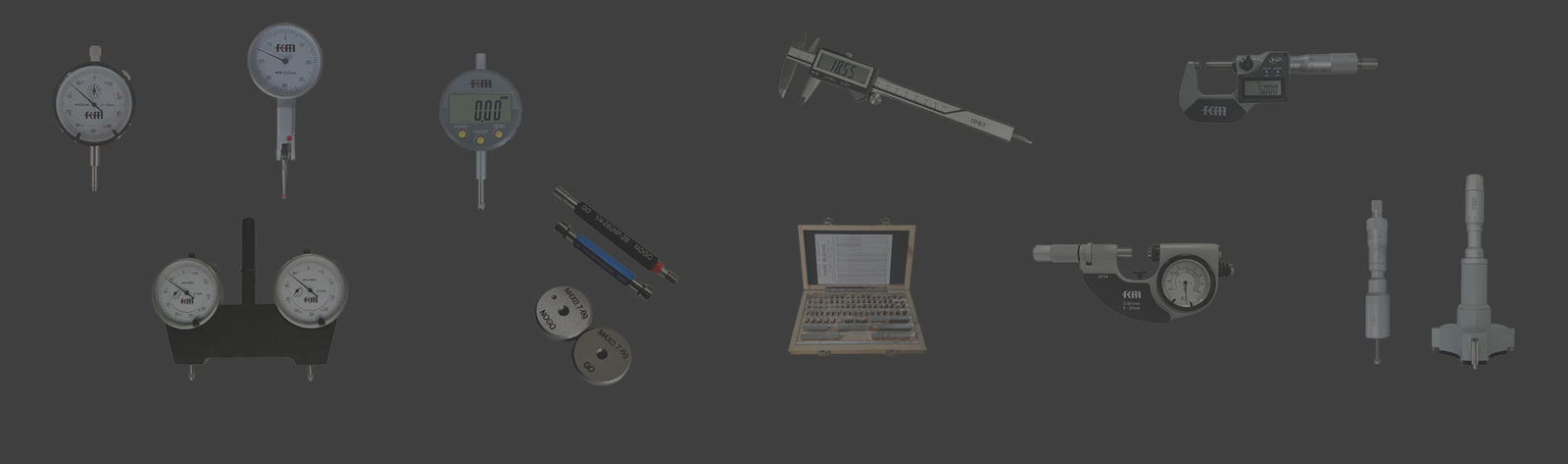
W dziedzinie pomiarów precyzyjnych, zaokrąglanie odczytów suwmiarki jest powszechnym problemem. Ten artykuł
zgłębi temat tego, dlaczego odczyty z suwmiarek nie mogą być zaokrąglane, i wyjaśni podstawowe zasady
pomiarów precyzyjnych.I. Dokładność odczytów suwmiarki

1. Suwmiarka jest powszechnie używanym narzędziem pomiarowym precyzyjnym, z najmniejszym podziałem zazwyczaj wynoszącym 0,02 mm,
co oznacza, że może mierzyć bardzo małe zmiany wymiarowe.
Dokładność odczytów suwmiarki jest jej kluczową wartością, a zaokrąglanie zmniejszyłoby tę dokładność.
2. Na przykład, jeśli rzeczywisty rozmiar części wynosi 10,23 milimetra, a odczyt uzyskany z suwmiarki
wynosi 10,23 mm,
a my zaokrąglimy ten odczyt do 10,2 milimetra, tracimy dokładność 0,03 milimetra. W niektórych precyzyjnych dziedzinach produkcji,
nawet błąd 0,01 milimetra może spowodować, że część nie będzie działać prawidłowo. 3.
Suwmiarka została pierwotnie zaprojektowana do pomiarów o wysokiej precyzji, dlatego zaokrąglanie nie jest dozwolone.II. Podstawowe zasady pomiarów precyzyjnych
1. Pomiary precyzyjne koncentrują się na
wartości rzeczywistej zamiast na wartości przybliżonej. Zaokrąglanie do najbliższej cyfry
skutkuje wartością przybliżoną, która ma pewne odchylenie od wartości rzeczywistej. W dziedzinach takich jak badania naukowe,
projektowanie inżynieryjne i produkcja przemysłowa, potrzebujemy dokładnych danych, a nie przybliżonych. 2. Pomiary precyzyjne wymagają od nas maksymalnego zminimalizowania błędów pomiarowych. Zaokrąglanie nieodłącznie
wprowadza błąd, który może wpłynąć na wiarygodność ostatecznego wyniku. Dlatego w pomiarach precyzyjnych
powinniśmy unikać wszelkich operacji, które mogą wprowadzić błędy.
3. Dane z pomiarów precyzyjnych muszą być identyfikowalne. Oznacza to, że powinniśmy być w stanie prześledzić źródło
danych i zweryfikować ich dokładność. Jeśli zaokrąglimy odczyty z suwmiarki, nie będziemy w stanie dokładnie
prześledzić danych pierwotnych, a tym samym nie będziemy w stanie zagwarantować wiarygodności danych.
III. Środki ostrożności w praktycznych operacjach
1. Podczas używania suwmiarki do pomiaru, powinniśmy dokładnie odczytać wartość pomiaru i zapisać
pełną liczbę, w tym wszystkie cyfry po przecinku.
Nie należy dokonywać żadnych form zaokrąglania wartości pomiaru.
2. Jeśli wymagane są obliczenia dla wyników pomiarów, powinniśmy przeprowadzić obliczenia przy użyciu danych pierwotnych
bez zaokrąglania.
Dopiero gdy ostateczny wynik wymaga prezentacji, powinniśmy rozważyć, czy zaokrąglanie jest konieczne,
w zależności od rzeczywistej sytuacji.
3. W pewnych szczególnych okolicznościach, na przykład gdy konieczne jest porównanie wyników pomiarów z tolerancjami,
możemy potrzebować dokonać wyboru w oparciu o konkretne normy. Nie oznacza to jednak, że możemy dowolnie
zaokrąglać odczyty z suwmiarki. Powinniśmy działać zgodnie z konkretnymi normami i wymaganiami,
i zapisywać proces operacyjny do przyszłego odniesienia i weryfikacji.
IV. Podsumowanie
1. Odczyty z suwmiarki nie mogą być zaokrąglane. Jest to uwarunkowane podstawową zasadą
pomiarów precyzyjnych. Zaokrąglanie zmniejszy dokładność pomiaru, wprowadzi błędy i wpłynie na
identyfikowalność danych.
2. Podczas używania suwmiarki do pomiaru, powinniśmy dokładnie odczytywać wartości pomiarów, zapisywać
pełne liczby i unikać wszelkich form zaokrąglania. Dopiero gdy ostateczny wynik wymaga prezentacji, powinniśmy rozważyć,
czy zaokrąglanie jest konieczne,
w zależności od rzeczywistej sytuacji. 3. Zrozumienie źródeł i skutków błędów ma ogromne znaczenie dla pomiarów precyzyjnych.
Błędy wprowadzone